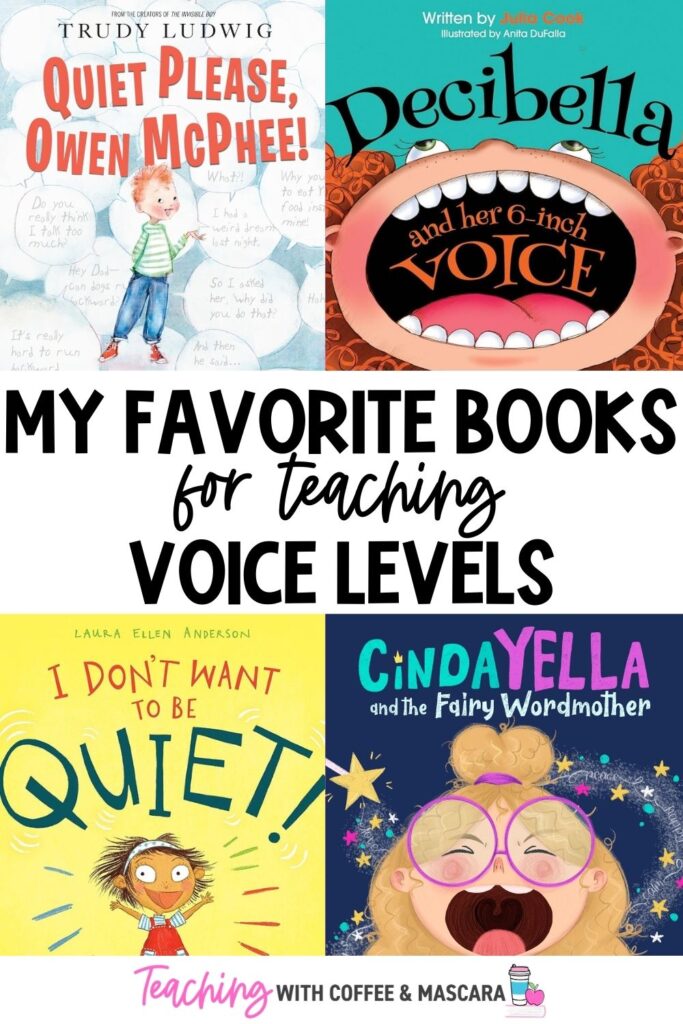
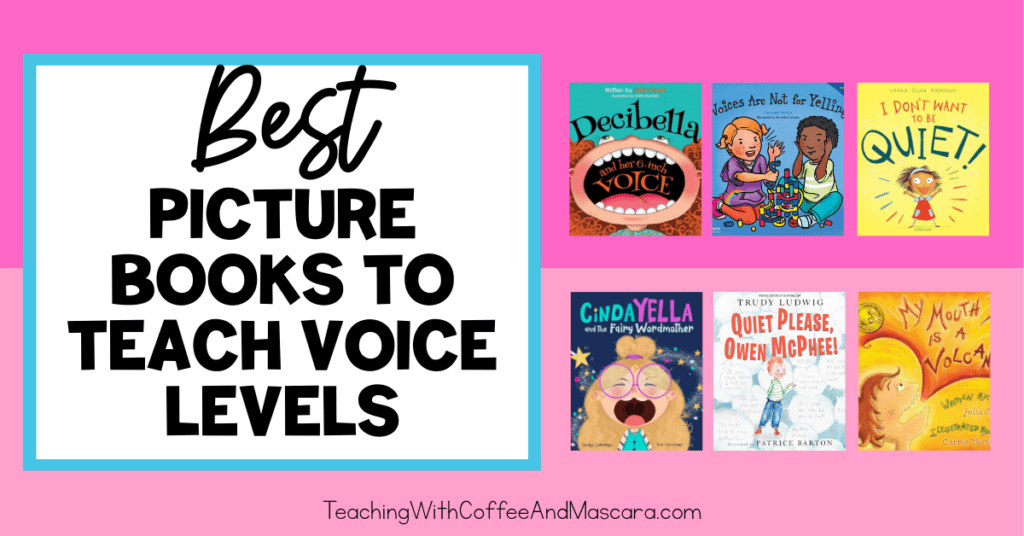
Picture this. You’re running small groups and all you hear is constant noise. Fingers drumming on desks, someone humming a song, and every time one voice starts, another jumps in to finish.
It’s not because your students are bad. They just don’t actually understand when it’s okay to talk and when it’s time to be quiet; they don’t understand voice levels.
This is where picture books change everything. Stories are 22 times more memorable than facts because kids connect to them. Students remember characters. They remember moments. They remember meaning.
That’s why picture books should always be one of our first strategies when teaching or reteaching classroom expectations. Instead of constant correcting, you get shared language, shared references, and students who actually understand your expectations. In this post, I’m showing you how using relatable read alouds teaches students when it’s a good time to talk, when it’s time to listen, and how to manage their voices so your classroom runs calmer, quieter, and smoother.
Prefer to watch instead of read? You can watch the full video here.
This blog may contain affiliate links which means I will earn a small commission if you purchase through my link. Please see full disclosure for more information.
Table of Contents
Why Do Students Struggle With Noise?
Students struggle with making noise not because they are bad, they just don’t actually understand when it’s okay to talk and when it’s time to be quiet. They need to see and hear what that looks like in real situations. And they need the opportunity to practice.
Why Picture Books Work for Teaching Expectations
Stories stick. Students can easily connect to characters and moments. They remember the meaning that they read about in the story. Instead of having to constantly correct your students, you get shared language and shared references from the books. Students will actually understand your expectations.
Books To Skip
First, I want to share books that missed the mark for me. These are books I would skip.
- Interrupting Chicken. This book shows the little chicken interrupting and what it’s like to be interrupted, but it never really has a closing or a clear lesson.
- Listen Buddy. This book shows Buddy not listening and has a bit of a solution, but it really has nothing to do with school.
What Picture Books Do You Recommend?
Be sure to look at the end of each book for a blurb on what I would use the book to specifically teach. For example I wouldn’t use the same book to teach about blurting as I would to teach about voice levels.
My Mouth Is a Volcano
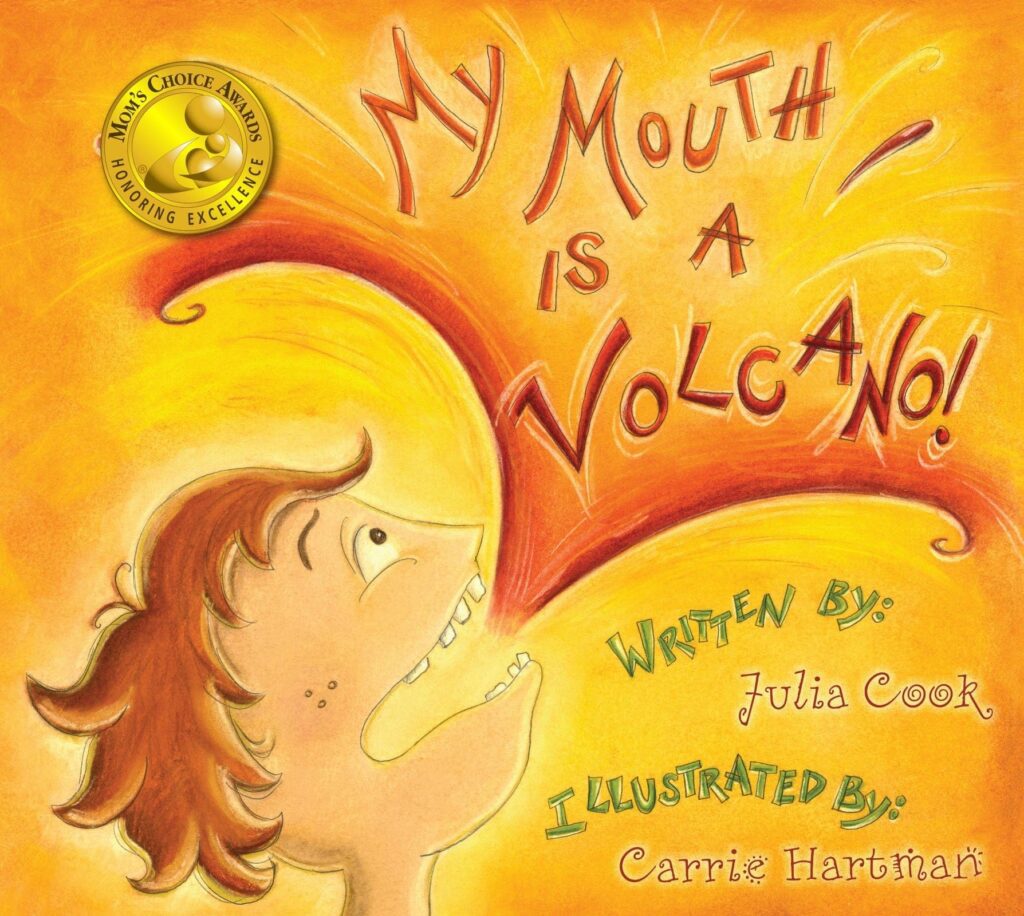
In My Mouth is a Volcano, Louis always finds that he has something very important to say and his words erupt out of him like a volcano. Louis learns his lesson after he gets a taste of what it feels like to be interrupted by his classmates. He’s doing show and tell and his classmates keep blurting out their stories that his items he’s showing has reminded them of. Louis doesn’t like this one bit and learns not to do this to other people.
This book is great if you need to tackle blurting in your classroom.
I Don’t Want to Be Quiet
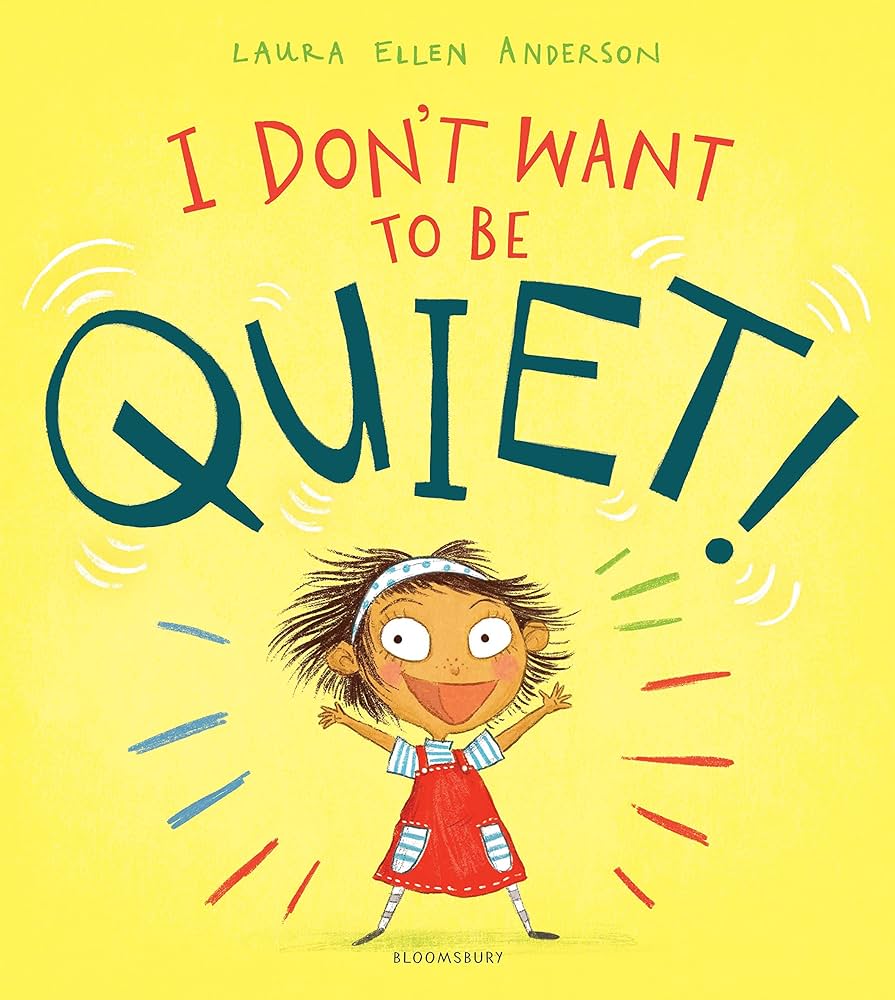
I Don’t Want to Be Quiet is a book about a little girl who loves to be loud. It’s only when she stops to listen that she realizes all the things she’s been missing out on. She’s in the library and her classmates tell her to quiet down, she picks a book and becomes engrossed in it. She realizes after hours of being quiet that it’s okay to be quiet. The next day she’s quiet throughout the day and she learns all these things she’s been missing out on. It then goes into times and places that it’s okay to be loud.
I would use this book to teach about our voice levels in the library first since that’s where she comes to this aha, then I would extend it to what other places could we be quiet and what places is it okay to be loud.
Quiet Please, Owen McPhee
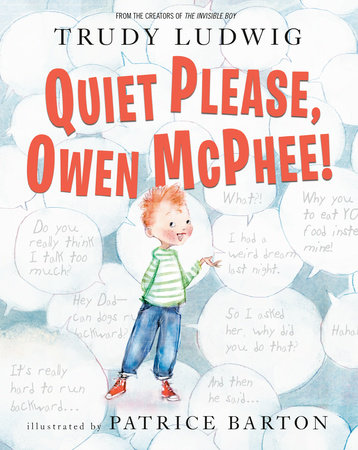
In Quiet Please, Owen McPhee, Owen loves to talk. He talks so much that he can’t ever hear what anyone else is saying. After he gets sick he learns that there are good times to talk and other times to just listen. This books focuses in more on not talking over our friends.
I would use this book if you have students constantly talking over one another.
CindaYella
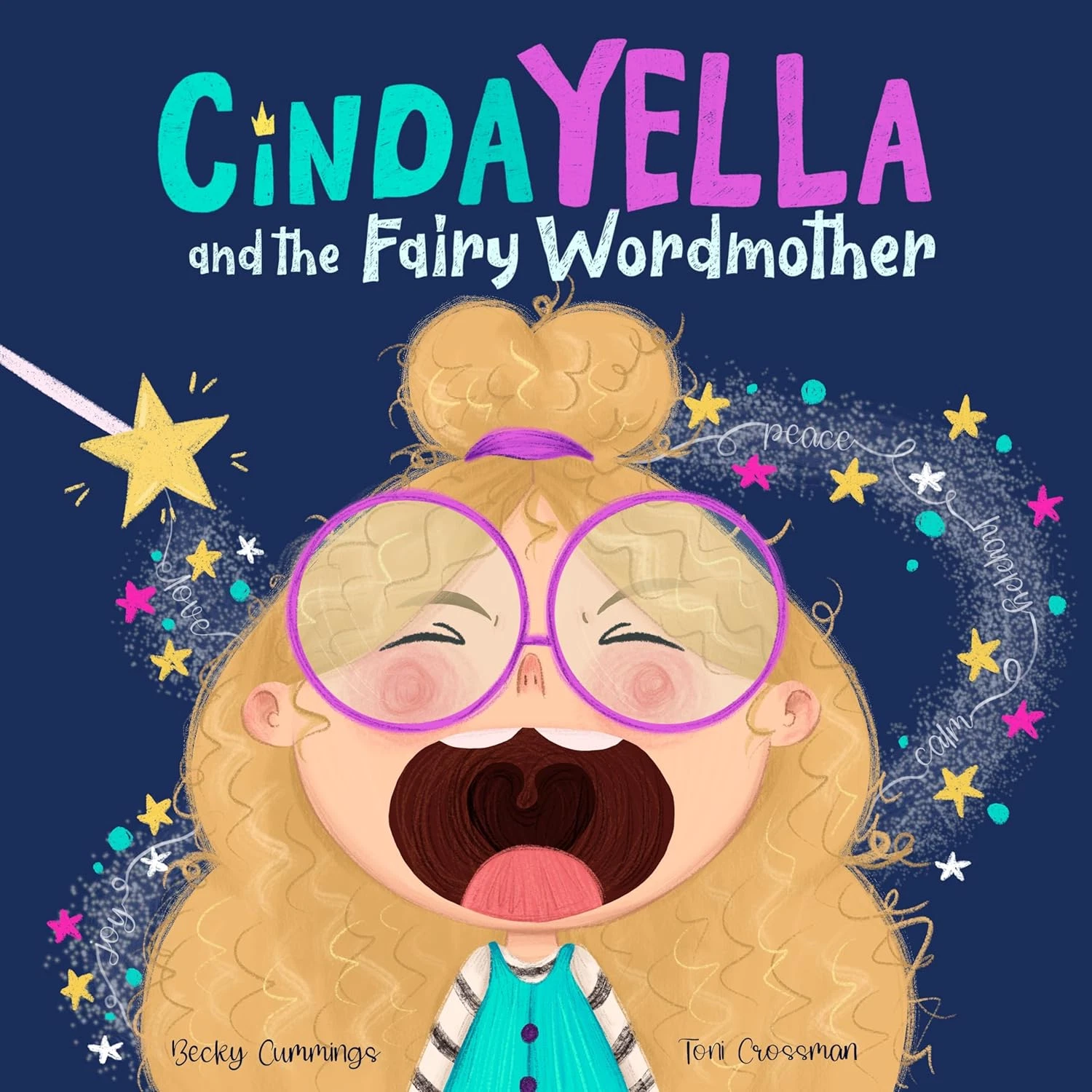
Cindayella is about a little girl name Cindy who is always yelling so her brother and classmates start calling her Cindayella, which she hates. She is almost left out of getting invited to a party, but the little girl says she can come if she doesn’t yell. That night a fairy word mother comes and helps her find her kind, calm words. The next day she can see what an effect having kind calm words vs yelling and being negative have on everyone around her.
This is a great book to talk about a yelling voice versus a calm voice, but I also love the message of what kind of words we are saying to people matters too. This book is perfect to teach not only volume, but what we say to people matters.
Voices Are Not for Yelling
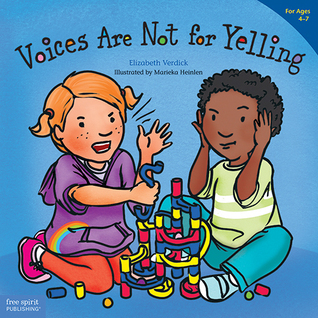
Voices Are Not For Yelling is a practical book that teaches kids what they use their voice for. It also gives great examples of when you use an indoor voice and when to use an outdoor voice. It also gives strategies for quieting your voice.
I love this simple book especially for younger children to begin to learn about voice levels with just two levels, indoor and outdoor.
And next up is my favorite book to use to teach voice levels and that’s….
Decibella and Her 6-Inch Voice
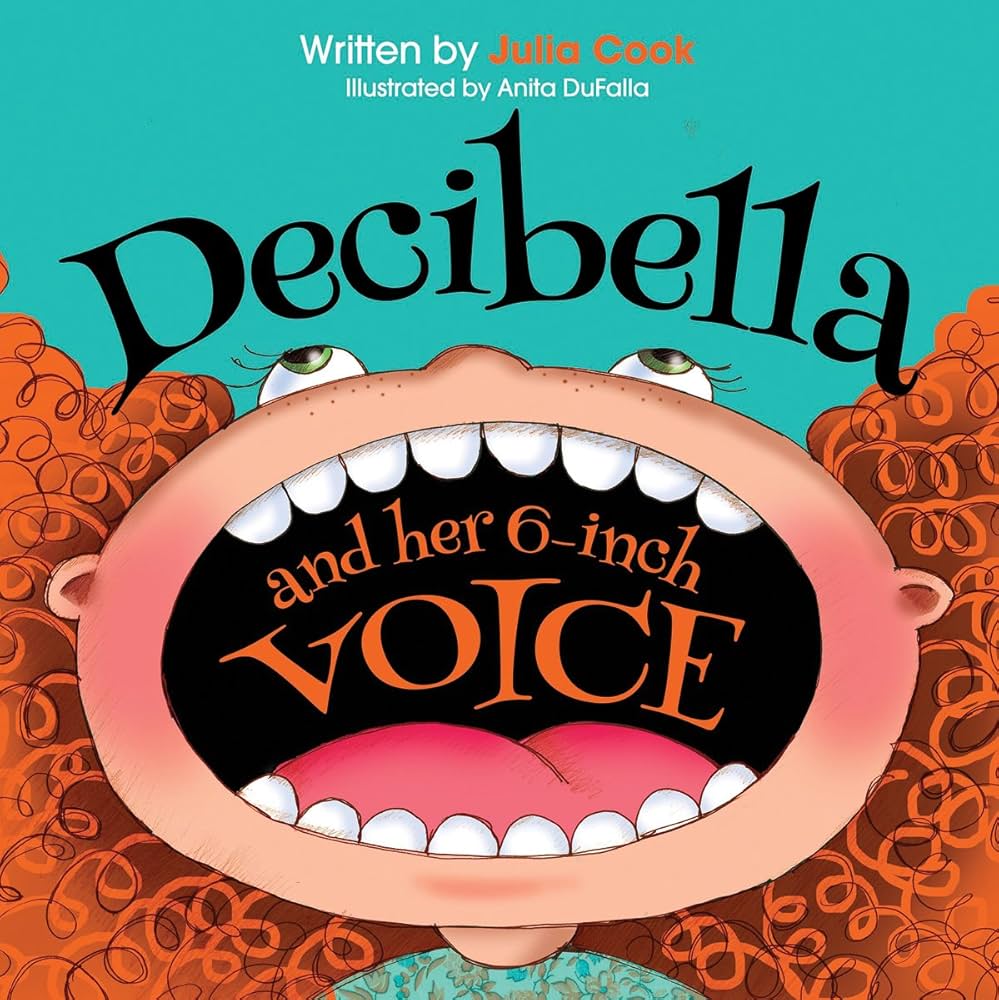
In Decibella and Her 6-Inch Voice, the little girl Isabella is always TOO loud. But her teacher teaches her 5 different voice levels and where to use them. I also love that she learns about a 6 inch voice because I think that this one is hardest for students to really get the hang of. I also love that the teacher has her practice each voice, I love to have my students also practice with her. It makes the book much more memorable.
This book is perfect for teaching and practicing voice levels.
Using the Books to Makeover Voice Levels
As you read, have students practice voice levels when the character practices. Throughout your day, refer back to the characters instead of constantly correcting. This kind of shared language helps students remember the expectations.
Final Thoughts on Using Picture Books to Quiet Your Classroom
When students understand voice expectations, your classroom runs calmer, quieter, and smoother. Picture books give you a simple way to build that understanding. Students remember the story, and they remember the expectation.
For more classroom book lists, check out these posts:
Save This Book List for Teaching Voice Levels
Save this post so you can come back to these book ideas whenever you need them! Just pin it to one of your favorite teaching boards on Pinterest. That way it’s right there when you’re looking for ways to quiet your class and make your classroom run smoother, one strategy, one routine, one book at a time.