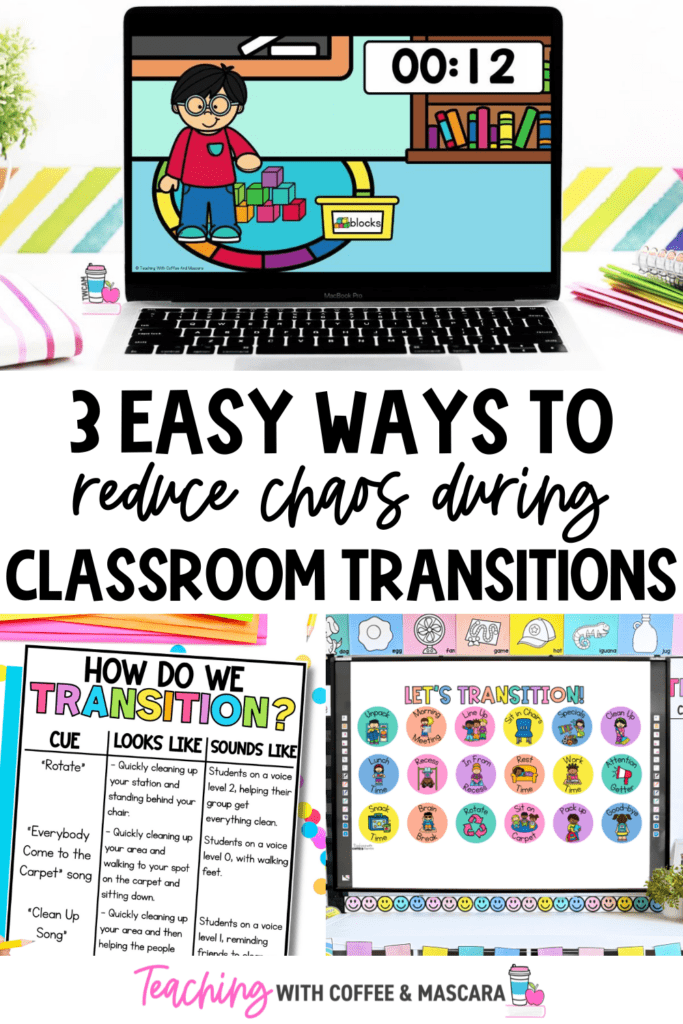
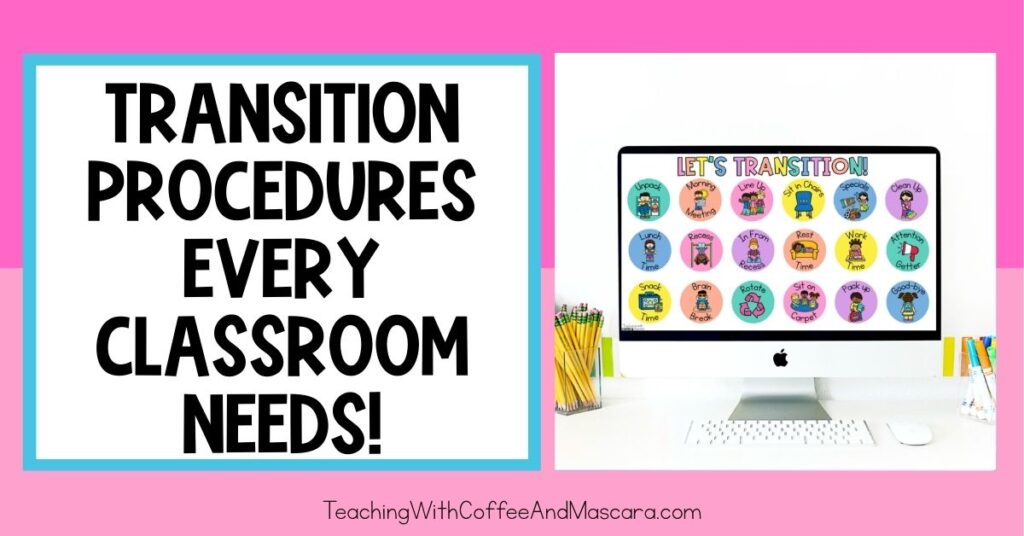
Ever feel like a broken record repeating the same transition directions over and over every single day? Or maybe you watch the clock as certain students pack up at a snail’s pace, wishing they would go just a little bit faster.
If you’re tired of inconsistent transitions, you’re not alone. Today, I’m sharing how the power of predictable transition procedures and a simple anchor chart can save your sanity and your time.
Prefer to watch instead of read? You can watch the full video here.
Table of Contents
Why Do Classroom Transitions Feel So Exhausting?
Transitions can quickly become chaotic when students don’t know what’s coming next or what’s expected of them. When directions change, reminders pile up, and students feel unsure, everything slows down. That stress doesn’t just affect you. It affects your students too.
My First Dismissal Disaster
I’ll never forget my first dismissal as a kindergarten teacher. The bell rang and chaos instantly erupted. Some students lined up. Others walked toward the door. Some asked where their folders went, while others didn’t know how they were getting home.
By the time the last student left, half the folders were still on tables or the floor, and my classroom looked like a tornado had come through. I remember standing there thinking there had to be a better way.
Why Does Predictability Matter for Students?
Without predictable routines, transitions feel stressful and overwhelming. Children thrive on routine and consistency. Knowing what comes next reduces anxiety and helps students move efficiently.
If you’ve ever watched a student freeze in the middle of a task because they forgot what to do next, that’s where predictability makes all the difference.
Tip #1: Use an Anchor Chart for Clear Expectations
Stop Repeating Yourself
I used to spend so much time saying things like pack your bag, check the floor, push in your chair. It was exhausting.
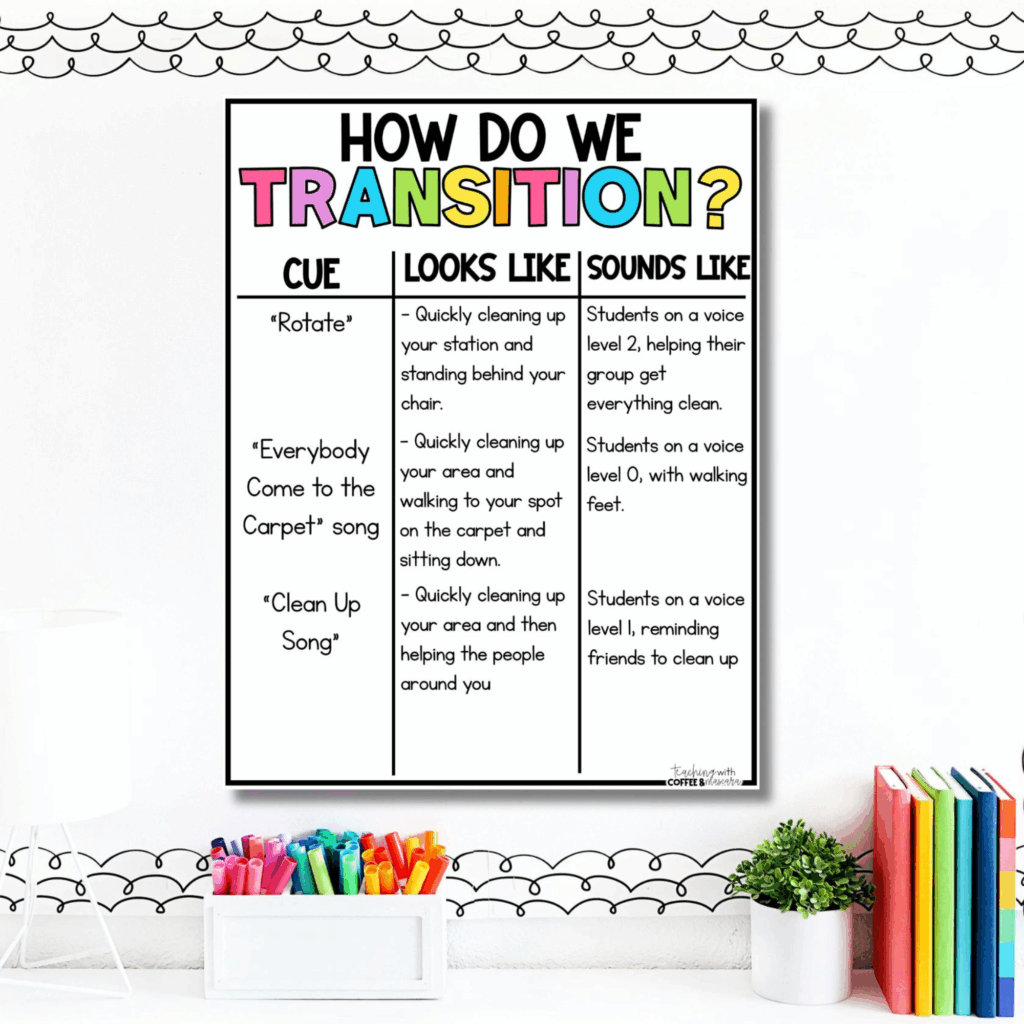
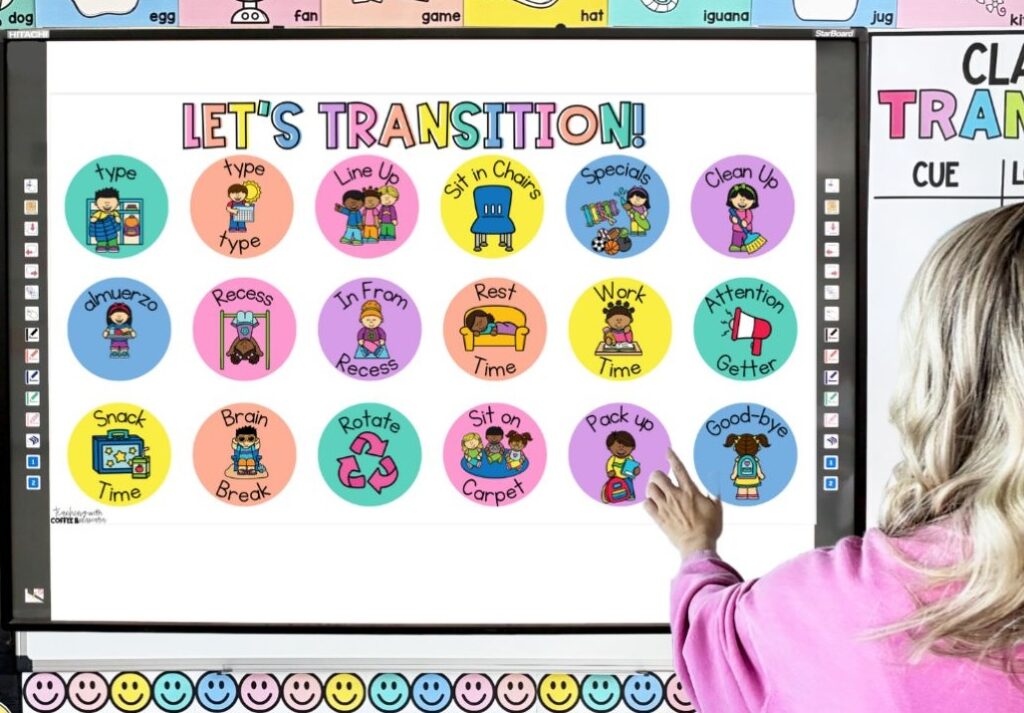
Once I started using a transition anchor chart, my students had a clear visual reminder of what was expected of them. Instead of relying on my voice, they could look at the chart instead.
Keep It Simple
Creating a transition anchor chart is simple. List the top three to five key steps for the transition. For example: clean your desk, check the floor, pack your backpack, walk to the door, line up quietly.
One of my students used to ask me every single day where his folder went. After consistently using the transition anchor chart, he stopped asking because the answer was right in front of him.
Extra Support for Students Who Need It
If certain students still struggle, a veteran teacher tip is to print a smaller version of the anchor chart and place it on their desk. I used to do this for students who really struggled with dismissal, and it made that transition so much easier for them and for me.
Tip #2: Reinforce the Routine With a Visual Timer
Some students take forever to transition because they don’t feel any urgency. A visual timer changes that by showing them exactly how much time is left.
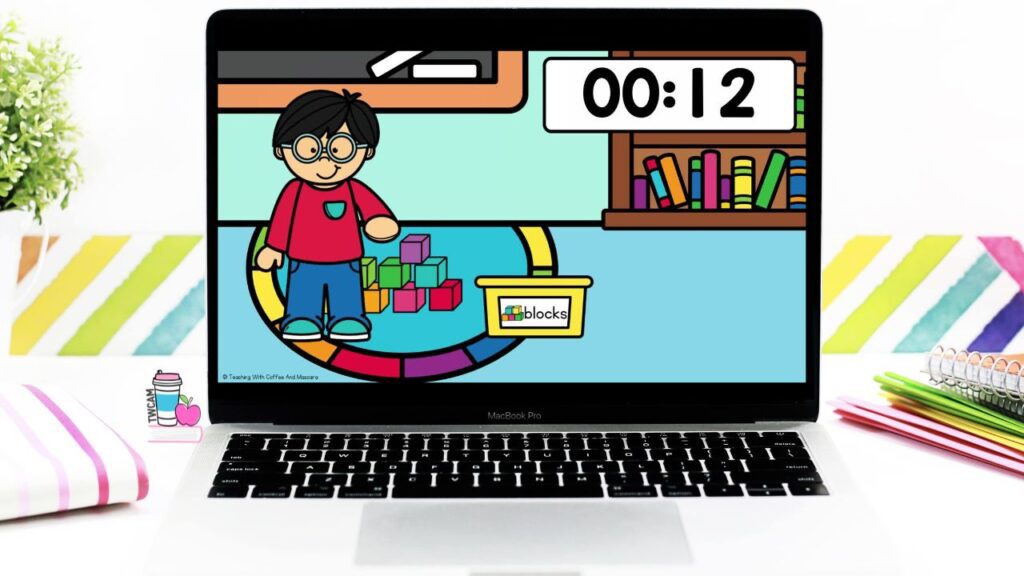
The simple, repetitive visuals keep students focused without being distracting. The countdown naturally helps them pace themselves. I’ve watched students move at a glacial pace until that timer started ticking down, and suddenly they were the fastest cleaners in the room.
For me, visual timers were a game changer.
Tip #3: Use Music as a Predictable Cue
Verbal reminders lose their power when they’re repeated too often. Students start tuning them out.
Music works differently. One consistent song can signal it’s time to pack up or transition. Over time, students learn to pace themselves with the song, knowing when it’s about to end and when they need to be finished. When I press play, my students know exactly what to do without a single word from me.
Why Predictability Changes Everything
Predictability isn’t just about saving time. It’s about creating a structured environment where students feel confident and know what to do next or at least where to look for the answer.
When expectations are clear and consistent, transitions stop feeling chaotic and start running smoothly.
Final Thoughts on Predictable Classroom Transition Procedures
If inconsistent transitions are draining your energy, start with predictability. Try using an anchor chart, reinforce it with a visual timer, and pair it with a consistent music cue. These small shifts can make a big difference for both you and your students.
Try one strategy at a time and see how it works in your classroom.
For more classroom transition ideas, check out these posts:
- How to Create an Effective Classroom Transitions Anchor Chart
- Why Visual Timers Help Young Students Manage Time
- How to Use Transition Songs to Improve Classroom Management
Save These Classroom Transition Tips
Save this post so you can come back to these transition ideas whenever you need them! Just pin it to one of your favorite teaching boards on Pinterest. That way it’s right there when you’re looking for simple, engaging ways to make your transitions smoother.