Picture this: you’re mid-lesson, and before you can finish the sentence, someone blurts out, “He’s not sitting right,” followed by, “She touched my pencil.” Suddenly three kids are all talking at once about who did what first, like it’s urgent national news.
You’re not teaching anymore. You’re battling constant tattling.
And here’s the thing. It’s not because your students are trying to be difficult. They just don’t have a clear understanding of what’s worth telling and what they’re supposed to handle on their own.
That’s where picture books change everything.
Story-based learning builds shared language. When you reference a character instead of correcting a child, students instantly know what behavior you mean. There’s no power struggle, no embarrassment, no defensiveness. Just understanding.
Instead of saying, “Stop tattling,” you can say, “Is this a big deal or a small deal?” And they get it because it was modeled to them through a book.
Today I’m going to share with you my favorite picture books to teach expectations around tattling, problem solving, and self-regulation so your classroom runs calmer, smoother, and with way fewer interruptions that derail your entire day.
Prefer to watch instead of read? You can watch the full video here.
This blog may contain affiliate links, which means I will earn a small commission if you purchase through my link. Please see full disclosure for more information.
Table of Contents
Why Do Students Tattle?
Students aren’t tattling to be difficult. They’re tattling because they don’t know the difference between telling to keep someone safe and tattling over small problems.
They need clear language.
They need examples of what tattling is.
They need practice.
Picture books give them all three.
Picture Books Build Shared Language
Story-based learning builds shared language. When you reference a character instead of correcting a child, students instantly know what behavior you mean.
There’s no power struggle.
No embarrassment.
No defensiveness.
Just understanding.
Instead of correcting in the moment, you can reference a scenario from a book. And because they’ve seen it modeled, they understand what is expected of them.
Tattling Books to Skip
Before we get into the good tattling books, here’s one to skip: Armadillo Tattletale.
It sounds like it’s about tattling, but it’s not. It’s a tall tale about gossiping.
The Best Picture Books for Teaching Tattling
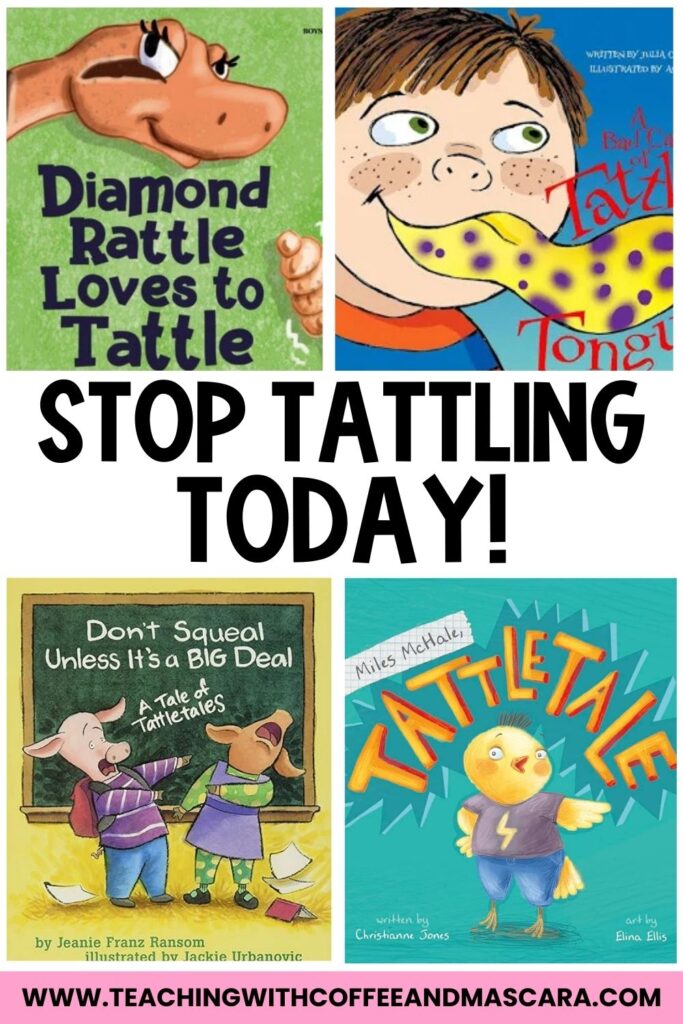
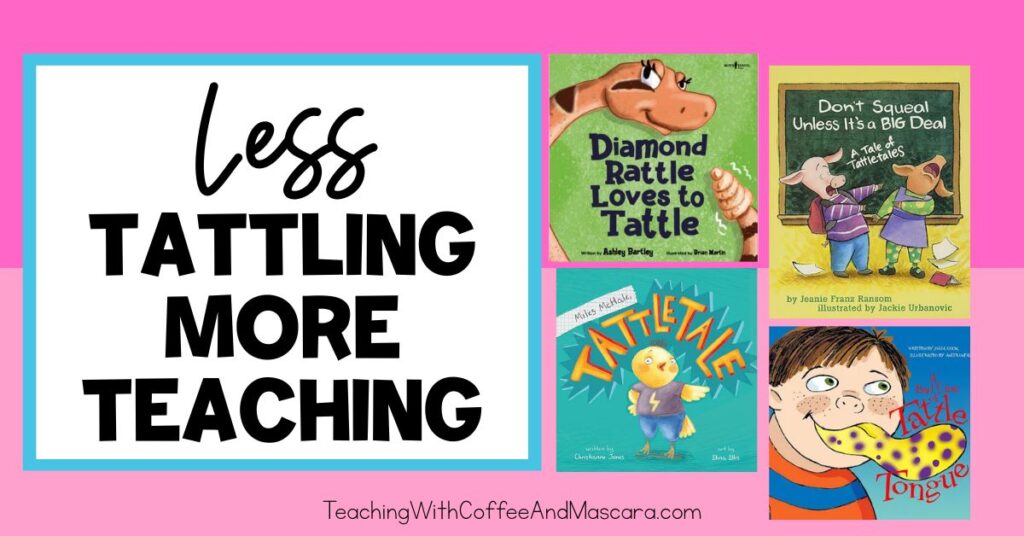
A Bad Case of Tattle Tongue
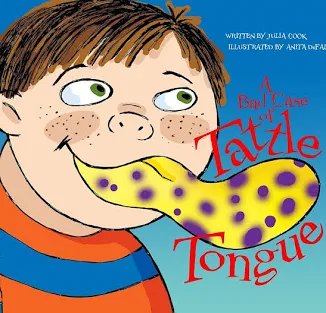
A Bad Case of Tattle Tongue is about a little boy named Josh who is constantly tattling. He develops a case of “tattle tongue” and isn’t able to tattle.
Then a tattle prince visits and teaches him the difference between tattling and telling using four different rules.
The next day, Josh gets to practice using the four rules. The scenarios are great for class discussion. Students can decide what Josh should do. Should he tell? Should he not tell?
Don’t Squeal Unless It’s a Big Deal
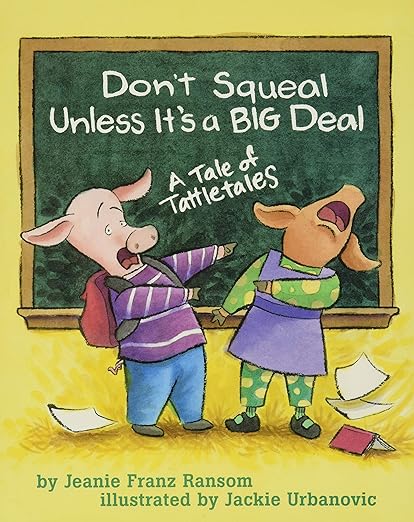
Don’t Squeal Unless It’s a Big Deal is a book about a class who loves to tattle. Their teacher introduces a new word: squeal.
Her rule is simple. Don’t squeal unless it’s a big deal.
She walks through scenarios of when to keep it to yourself and when to get help from an adult. The class gets to practice the rule throughout the day. There are only two scenarios in the book, one big deal and one not, and I do wish there were more.
Diamond Rattle Loves to Tattle
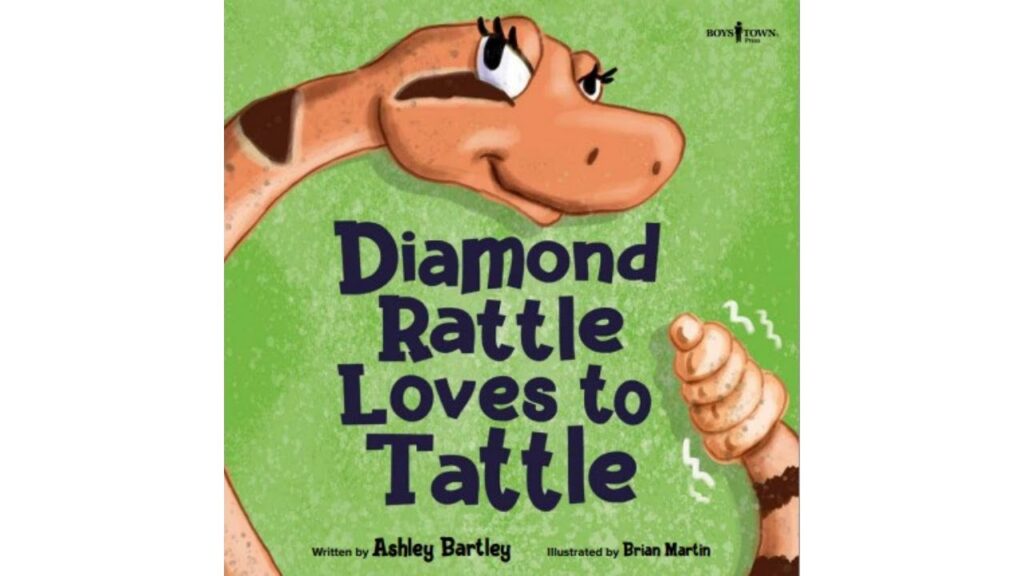
Diamond Rattle Loves to Tattle is a story is about a rattlesnake named Diamond who loves to tattle.
Her teacher teaches her to ask herself three questions before telling:
- Is someone unsafe?
- Can the problem not wait?
- Does the problem even involve you?
Diamond learns the rules and is eventually promoted to safety patrol, where she can report anything unsafe.
Miles McHale, Tattletale
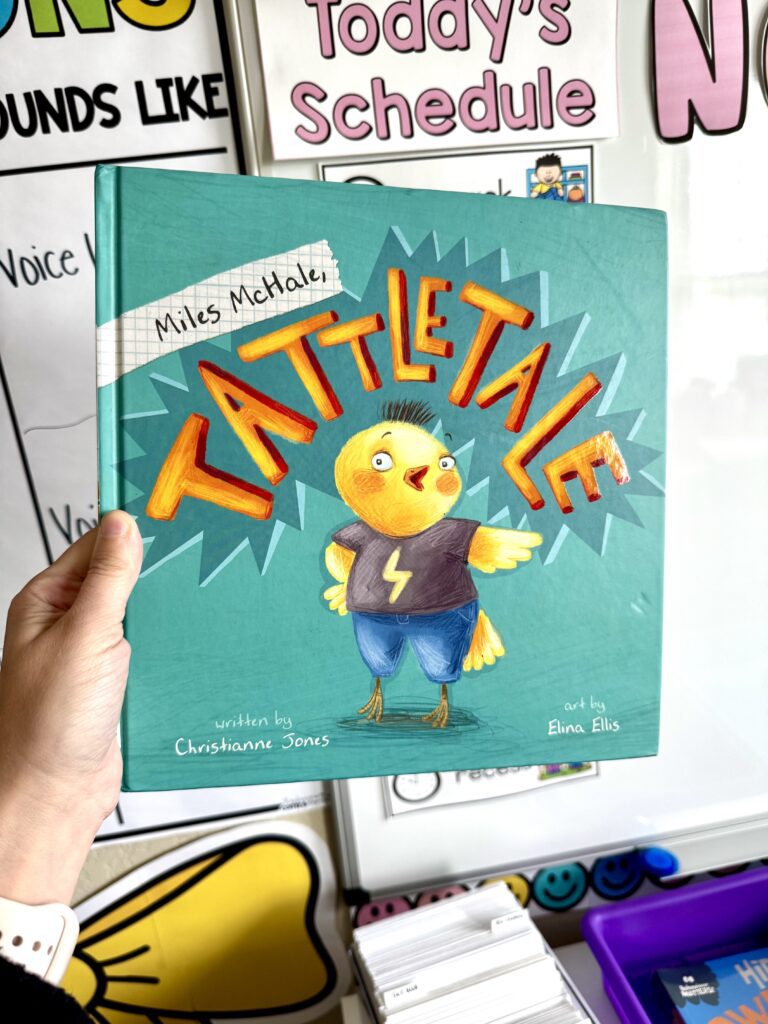
This is my favorite and the first book I would try.
Miles Mchale, Tattletale takes place in a school and gives the most scenarios for kids to decide what Miles should do.
Miles loves to tattle. His teacher introduces something called a tattle battle. The class splits into two teams, and the team that tattles the least will earn extra recess.
At first, Miles keeps tattling and his team is frustrated. His teacher reviews the tattling pledge:
If a friend is sick, hurt, or in harm’s way, then telling someone is okay.
Miles gets multiple chances to practice through different scenarios whether he should tell or not.
I love being able to talk through each situation with my class and decide together if it’s time to tell an adult or keep it to themselves.
Why These Books Actually Work
Each of these books gives students either a pledge or a set of questions to ask themselves.
That’s what makes the difference.
They aren’t just being told to “stop tattling.” They’re being taught how to think.
When students have language and a simple decision-making framework, tattling decreases because they understand what to do.
Final Thoughts on Tattling
With any of these four books, you’ll see tattling reduced in no time.
I especially love that each book includes a pledge or guiding questions students can use to decide if they’re tattling, telling, or reporting.
When students understand the difference, your classroom feels calmer and runs smoother.
And if your class struggles with noise in general, you’ll want to read this post where I share my favorite picture books for helping a loud class.
Save This Book List for Teaching Tattling
Save this post so you can come back to these book ideas whenever you need them! Just pin it to one of your favorite teaching boards on Pinterest. That way it’s right there when you’re looking for ways to teach your class about tattling and make your classroom run smoother, one strategy, one routine, one book at a time.