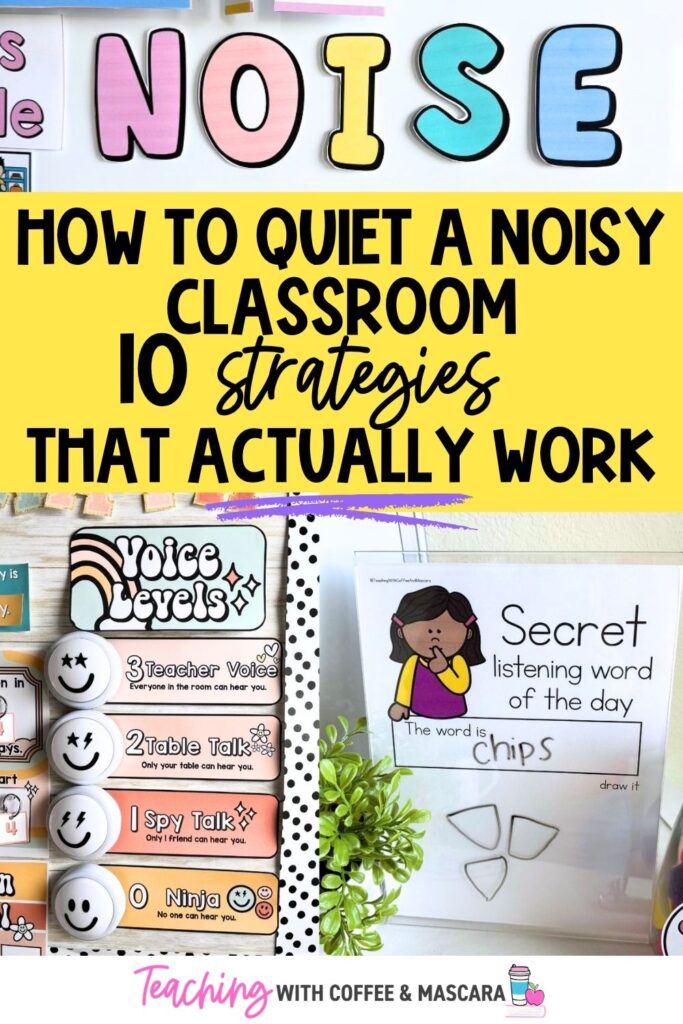
Picture this. I’m holding my read aloud for the day, ready to start the lesson I’ve spent too many hours preparing. Meanwhile, my students are having very intense conversations about what candy is the best candy… and someone is under a table meowing.
I try “One, two, three, eyes on me.”
Three kids look.
Victory? Not really.
Getting the class quiet felt like trying to gather confetti in the wind.
If you’ve ever searched how to quiet a noisy classroom or wondered how to quiet a loud classroom without losing your voice, you know exactly what this moment feels like.
That’s when I started testing every quieting trick I could find.
While this post focuses on the noise classroom management strategies that worked best, I actually tested and ranked 30 different ways to quiet a class. If you want to see the full list — including the biggest wins and the biggest flops — you can watch the full breakdown here.
Table of Contents
Some strategies actually worked. Some only worked for two days. And some were such epic fails that my kinders stared at me like I had just spoken a brand-new language.
After trying dozens of strategies, a few clearly stood out. These are the noise classroom management strategies that consistently work even when the room is loud, and energy is high.
How to Quiet a Noisy Classroom: From a Veteran Teacher
Not every quieting strategy can handle a room full of kids who just came back from PE. These are the strategies that consistently work during REAL classroom chaos.

Attention Signals That Quiet a Noisy Classroom Quickly
When teachers search how to quiet a class quickly, attention signals are often the fastest solution. These strategies help regain attention even when the classroom is loud or students are transitioning between activities.
Hands on Head Ripple
The teacher puts their hands on their head.
Then a student does it.
Another student notices and copies it.
Then another.
Within seconds the signal ripples across the room.
It’s quiet, fast, and requires almost no teacher energy once students know the routine.
Clap Pattern
A simple clap pattern is one of the most reliable noise classroom management strategies.
Teacher claps a pattern.
Students repeat it.

It works in classrooms, assemblies, and even chaotic transition moments because students instinctively respond to rhythm.
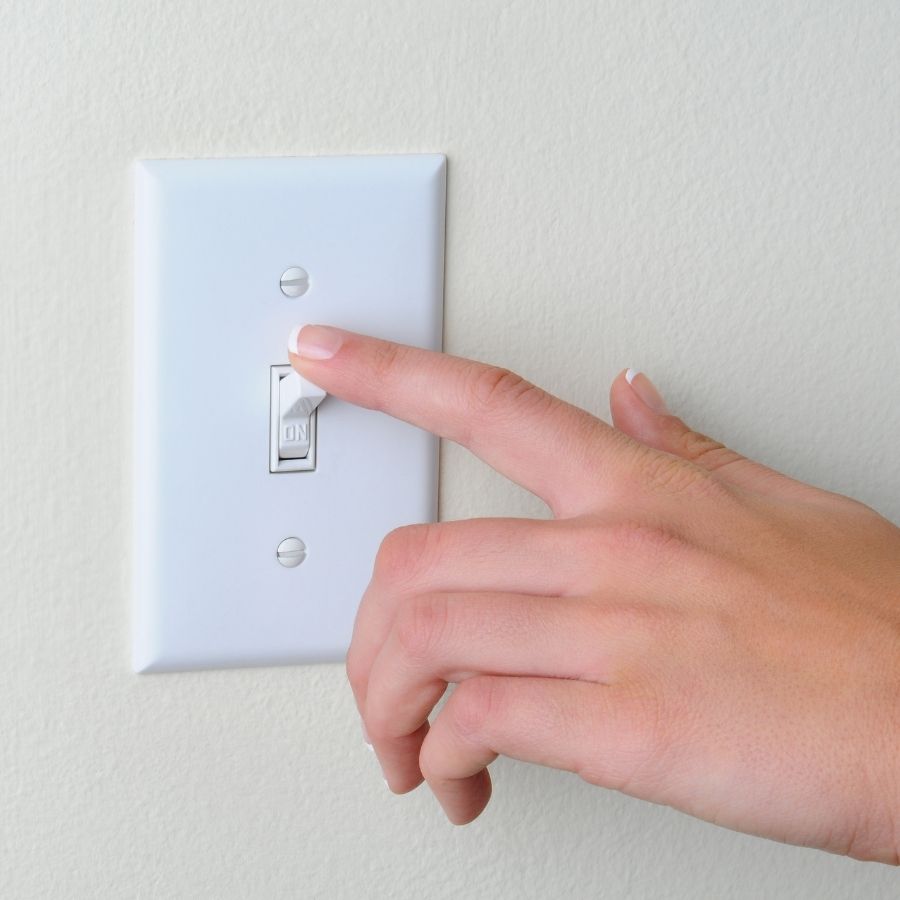
Lights On and Off
Flipping the lights quickly on and off is a simple visual cue that instantly gets students’ attention.
It works especially well when the room is already loud because students notice the environmental change immediately.
Visual Strategies That Lower Classroom Noise
Visual tools can be incredibly helpful when you’re trying to figure out how to quiet a loud classroom without constantly repeating yourself.
Noise Letters
One of my favorite visual noise classroom management tools is Noise Letters.
You display the word NOISE somewhere in the room.
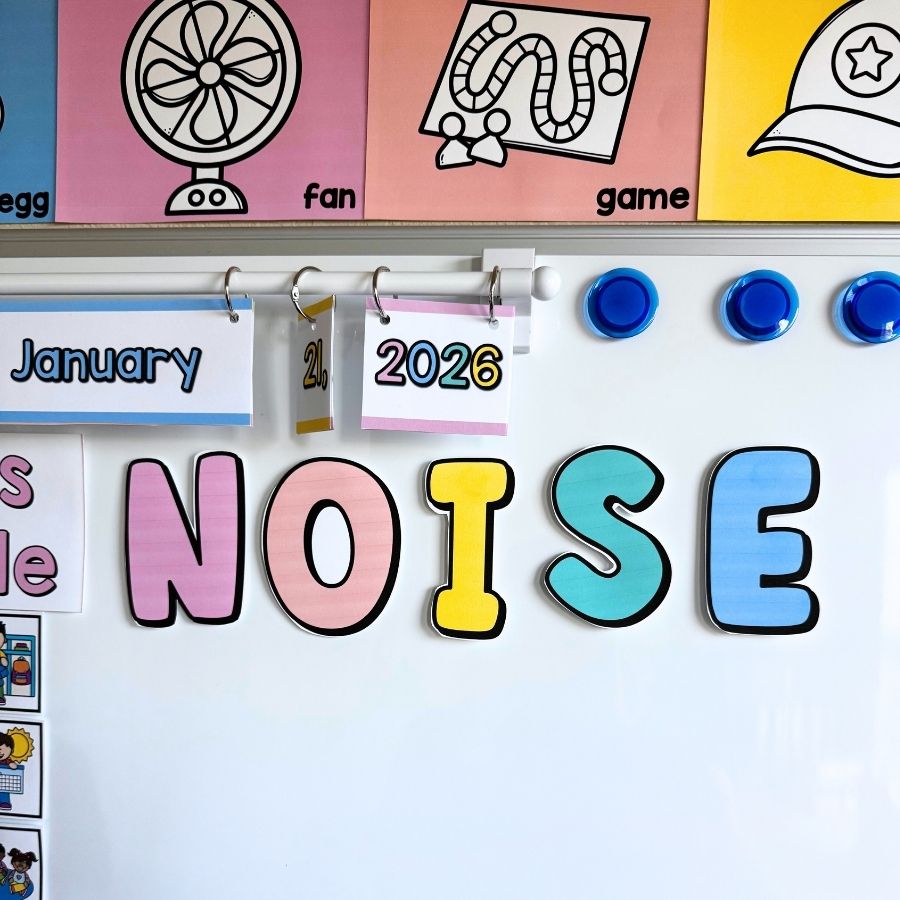
When the class gets too loud, a letter disappears.
NOISE → NOIS → NOI → NO
Students can see the volume level changing without the teacher constantly reminding them.
It’s simple, visual, and surprisingly effective.
Motivation-Based Strategies That Encourage Quiet
Some of the best ways to quiet a class focus on positive motivation instead of constant correction.
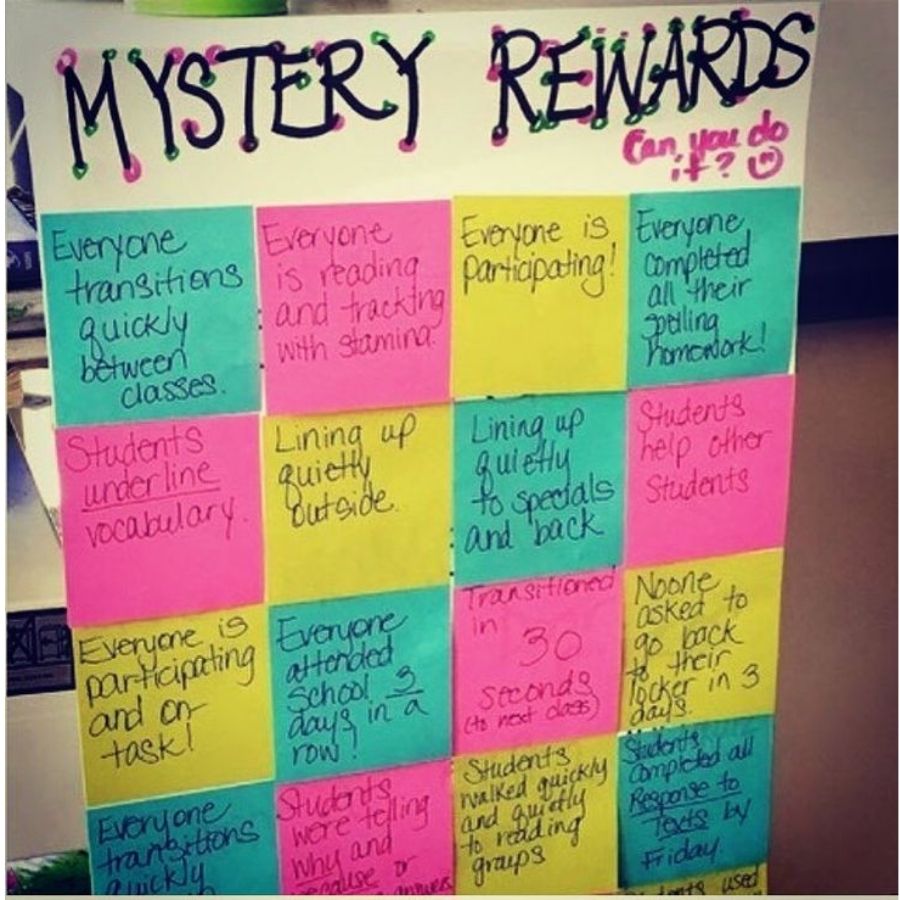
Mystery Motivator
Students love a little mystery.
You cover small rewards with sticky notes. When the class meets a behavior goal, they get to reveal one.
It creates excitement while reinforcing positive behavior.
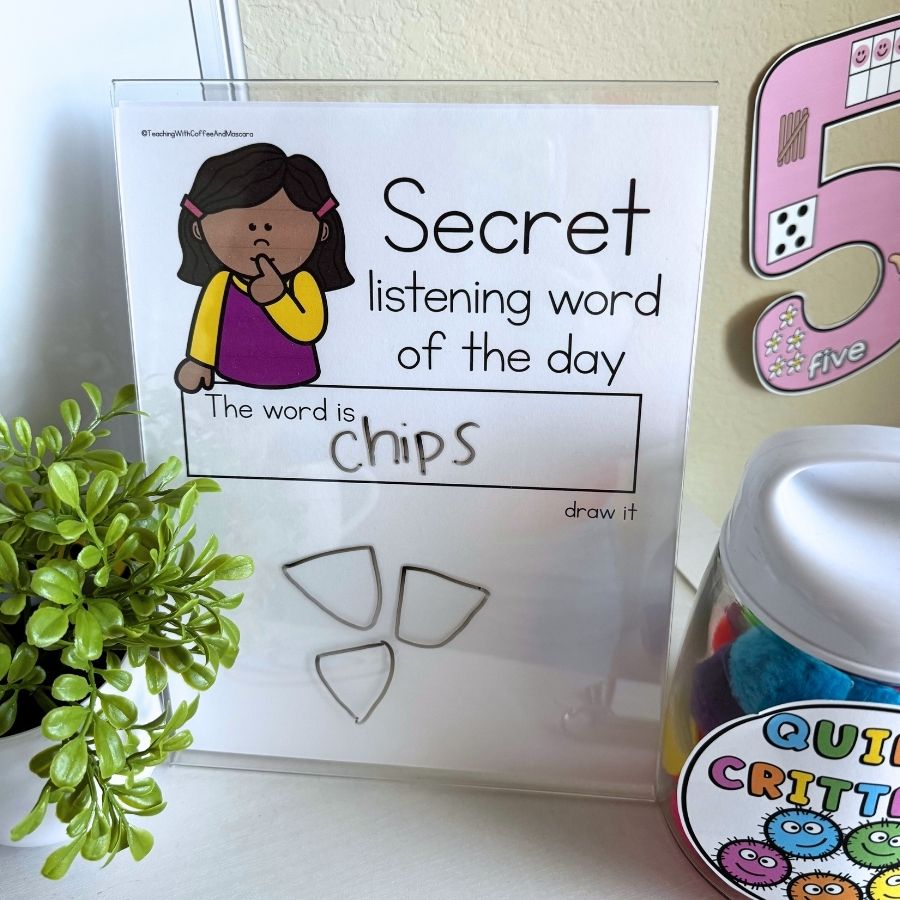
Secret Word of the Day
At the beginning of the day, choose a secret word.
If students stay focused and follow expectations throughout the day, you reveal the word and celebrate.
It’s simple, low-prep, and keeps students mindful of their behavior.
Quiet Critters
Quiet critters sit on desks when students are working quietly.
If the noise level rises, the critter quietly “walks away” (into my pocket).
It’s a calm, visual reminder that helps students regulate their own volume.
I’ve found that students LOVE having their quiet critter and will work hard to keep it on their desk.

Relationship-Based Strategies That Work Instantly
Sometimes the best noise classroom management strategies aren’t tools or systems — they’re simple teacher moves.
Stepping Into Line of Sight
Sometimes the most effective strategy is simply moving closer.
When the teacher steps into a student’s line of sight, behavior often corrects itself immediately without saying a word.
The Look
Every experienced teacher eventually develops the look.
That subtle eyebrow raise or pause that says everything without saying anything.
Students learn what it means surprisingly quickly.
Systems That Keep Classroom Noise Under Control Long-Term
Quick attention signals help in the moment, but long-term noise classroom management comes from strong classroom systems.
Consistent Routines
When students know exactly what to do during transitions, the room stays calmer automatically. This comes from using consistent routines. As much as you can, you keep every day predictable by following the same schedule, the same way you transition, and the same expectations.
Expectations That Are Taught and Practiced
Students need to learn when it’s time to talk and when it’s time to listen. It’s not enough to just tell students. We need to take the time to explicitly teach expectations AND practice them. Clear expectations make it much easier to quiet a class before the noise level spirals.
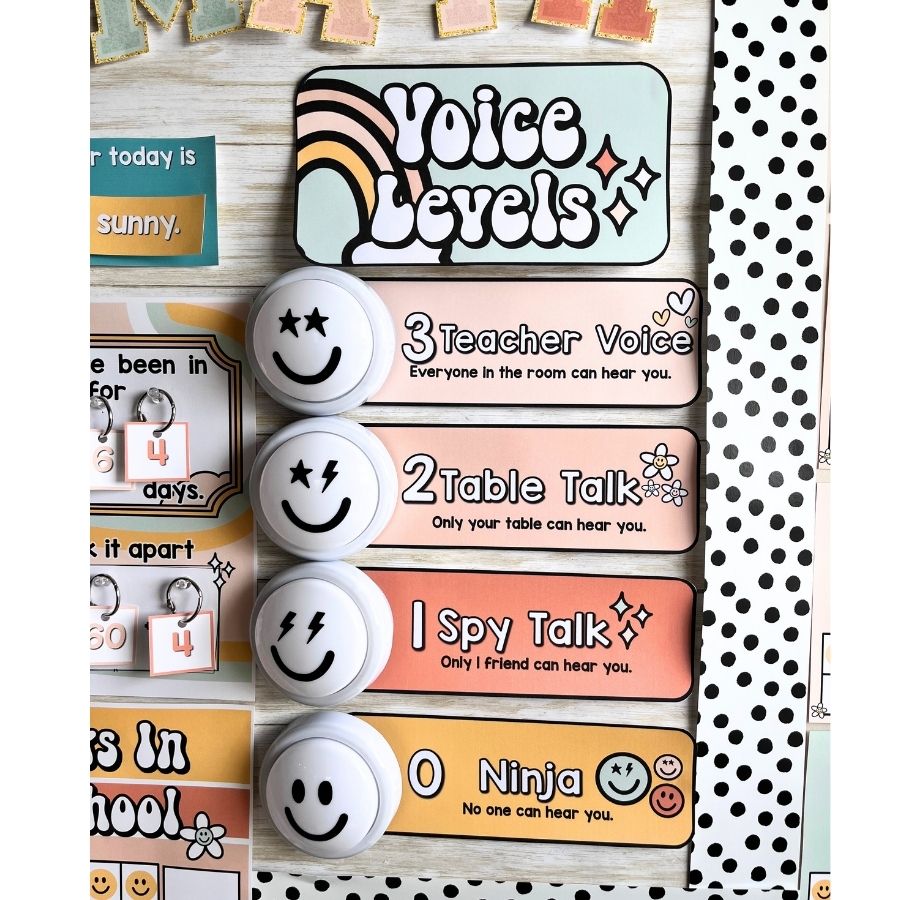
Visual Reminders
Charts, signals, and routines help students remember expectations without constant teacher reminders.
Call and Response
Call-and-response signals work quickly and require almost no teacher energy. A call and response is that the teacher says a word “class class” and the students respond “yes yes”. You teach students that every time you say a word or set of words that they respond with their words.
Call and responses are especially helpful during high-energy moments when you’re trying to figure out how to quiet a noisy classroom quickly.
Final Thoughts on Noise Classroom Management
Some noise classroom management strategies work for a day or two. Others become routines that quietly support your classroom all year long.
The best strategies are simple, predictable, and easy for students to follow, even when energy is high.
Because the goal isn’t just getting quiet for a moment. It’s creating systems that help your classroom settle quickly so you can get back to what you planned to teach.
And if your class forgets every attention signal you’ve ever taught them on the same day someone starts meowing under a table… you’re still doing an amazing job.
If you’ve ever wondered how to quiet a noisy classroom without constantly raising your voice, these strategies can make a big difference. Especially when you pair them with one of these read-alouds: Use Picture Books to Teach Voice Levels.
Save These Classroom Management Tips
Save this post so you can come back to these noise classroom management strategies whenever your class energy starts getting a little wild. Pin it to one of your favorite teaching boards so it’s easy to find the next time you need quick ways to quiet a noisy classroom.